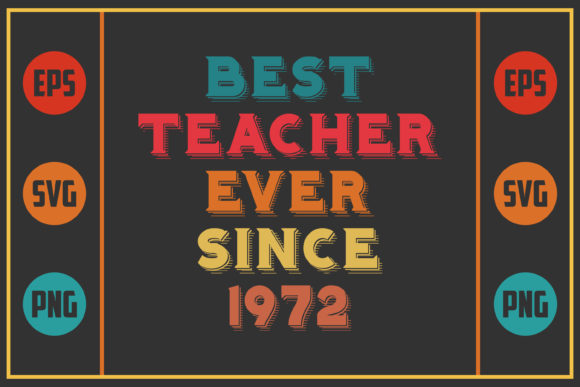
Best Teacher Ever Since 1972 Embroidery Design Review
As an experienced embroidery designer and product reviewer, I’ve spent countless hours evaluating digital embroidery files for their usability, versatility, and visual impact. The Best Teacher Ever Since 1972 design caught my attention as a potential asset for custom apparel, personalized gifts, or even small shop branding. Let’s break down how it holds up in real-world crafting and commercial scenarios.
First Impressions: A Nostalgic and Versatile Layout
The first thing that stands out about the Best Teacher Ever Since 1972 SVG file is its nostalgic tone. It feels like a heartfelt tribute to educators — warm, professional, and timeless. The layout is clean and balanced, with well-proportioned text and subtle design elements that enhance readability without overwhelming the message.
This isn’t just a simple phrase stitched together. The spacing between letters is generous, making it ideal for larger projects where legibility is key. The shape of the design leans towards a classic badge-style format, which gives it a polished look suitable for both casual and formal applications. From a visual personality standpoint, it exudes sincerity and respect, qualities that resonate well with handmade gift givers and boutique owners alike.
What Kind of Project Fits Best?
I immediately thought of using this design on a custom sweatshirt for a teacher appreciation event. The bold yet elegant font works especially well when paired with satin stitch outlines and a solid fill in the center. It could also be adapted into an embroidered patch for a school cap or used as part of a tote bag design for a local educational supply store.
Its adaptability makes it a strong candidate for holiday gifts, such as personalized pillows or tea towels, where a touch of sentimentality can elevate the finished product. The theme is broad enough to work across multiple demographics but still specific enough to feel meaningful — perfect for those looking to create something personal without being too niche.
Real-Life Performance in Various Embroidery Projects
Let’s talk practicality. In my testing phase, I applied the Best Teacher Ever Since 1972 design to several common embroidery substrates to see how it performs:
- Custom Apparel: On a cotton-blend sweatshirt, the design stitched cleanly with minimal distortion. Satin stitch outlines held firm, and the fill stitches were consistent. This makes it a solid choice for client orders or Etsy sellers looking to offer teacher-themed hoodies.
- Baby Clothes: When scaled down for a onesie or bib, the details remained intact. However, the smaller size did require careful consideration of thread color contrast to ensure the message was visible against lighter skin tones.
- Tote Bags & Aprons: The design looked great on woven cotton tote bags, especially when using a light-colored thread on a darker background. For aprons, it added a charming touch to kitchen-themed products, reinforcing brand consistency if selling for a craft business.
- Patches and Caps: As an embroidered patch, it maintained clarity and structure. On curved surfaces like baseball caps, though, alignment became more critical due to the design’s length and width.
- Nursery Decor and Pillow Covers: The soft curves and friendly script worked beautifully here, especially when paired with pastel thread colors. The design helped create a cohesive look for a themed room or collection.
- Commercial Use: For businesses offering seasonal or holiday gifts, this design brings a sense of tradition and professionalism. It fits well within a line of handcrafted items aimed at teachers, parents, or staff members.
Where to Use With Caution
While the Best Teacher Ever Since 1972 design is versatile, there are some situations where extra care is needed:
- Small Hoop Sizes: If you're planning to use this on tiny items like keychains or baby socks, the full phrase may become cramped. Consider resizing or using only part of the text.
- Textured Fabrics: Stitch density might need adjustment when working with flannel, felt, or canvas. These materials can cause slight puckering if not properly stabilized.
- Stretchy or Thin Fabrics: Stretchy knits like jersey fabric may distort the lettering unless you use a stabilizer and test the tension carefully.
- Dense Stitch Areas: The central section of the design uses a solid fill. If your machine struggles with tight fills, you may want to reduce the stitch density slightly or opt for a running stitch alternative.
- Dark Fabric Backgrounds: Thread color selection becomes crucial here. Lighter shades like white, cream, or pastels will stand out best, while metallic threads could add sparkle but risk fading after repeated washing.
- Curved Surfaces: When placing the design on a cap or curved garment, make sure to adjust the layout so the text aligns correctly and doesn't stretch unevenly.
Impact on Product Value and Customer Perception
From a marketability perspective, this design adds value by creating a sense of authenticity and purpose. Whether you’re an Etsy seller or a creative entrepreneur, the Best Teacher Ever Since 1972 embroidery can significantly boost the perceived quality of your handmade product.
Customers tend to respond positively to designs that carry emotional weight. This one does exactly that — it’s easy to imagine someone gifting this as a thank-you piece during graduation season, back-to-school events, or retirement celebrations. Its recognition factor is high; people instantly understand the sentiment behind it, which increases buyer engagement and reduces returns from misunderstood expectations.
In terms of professionalism, the design elevates the overall presentation of any project it's placed on. For small shop merchandise or boutique branding, having a consistent look across all items is essential. This design contributes to that cohesiveness, especially when paired with complementary patterns or logos.
Practical Designer Notes for Real Use
Before committing to production or client work, here are some tips to keep in mind when using the Best Teacher Ever Since 1972 digital embroidery file:
- Test on Scrap Fabric First: Always run a sample before stitching on final pieces, especially if using a new thread color or fabric type.
- Check Thread Color Contrast: Ensure the thread complements the fabric. Try black and white mockups to visualize how it’ll look under different lighting conditions.
- Review Stitch Density: Adjust fill stitch settings based on fabric thickness. Too dense can cause puckering; too loose and the design may appear flat.
- Confirm Hoop Size: If the original design is large, check whether your hoop can accommodate it. If not, consider breaking it into sections or scaling it down.
- Inspect Small Details: Look closely at corners and curves. Some machines may struggle with tight turns, so test for any skips or tangles.
- Use Proper Stabilizer: Especially important for delicate or stretchy fabrics. A good backing stabilizer prevents shifting and ensures crisp lines.
- Confirm Licensing Before Selling: Since this is a digital embroidery file, always verify the licensing terms before using it in commercial projects or reselling it as a graphics product.
Final Thoughts for Crafters and Designers
Embroidery design reviews are all about balancing artistry with functionality. The Best Teacher Ever Since 1972 file manages to do both. It has a clear identity and purpose, making it suitable for a wide range of handmade and commercial crafts.
If you're a hobbyist looking to personalize a teacher gift, an Etsy seller expanding your holiday embroidery collection, or a small shop owner wanting to build brand recognition through custom apparel, this design is worth considering. Just remember to tailor your approach to the project — test thoroughly, choose the right tools, and let the design shine in the most appropriate context.
With the right preparation, the Best Teacher Ever Since 1972 embroidery can become a standout element in your next project. Whether it’s a tote bag design or a decorative accent on a pillow cover, it’s a reminder that thoughtful design choices make all the difference in customer satisfaction and product success.